One humid Orlando night the door sensor went silent and I found myself dialing a 24 hour locksmith Orlando for a quick fix. I cover how to triage a door sensor failure, tips for choosing a trustworthy 24 hour locksmith, realistic time and cost expectations, and pitfalls to avoid. You will get no hyperbole, just direct, experience-driven guidance and a few anecdotes that highlight the trade-offs.
The hidden job of a door sensor and the consequences when it stops working.
A door sensor is a small device that tells the car whether a door is open or closed, and it ties into locks, interior lights, alarms, and door warning systems. Symptoms vary widely: the lock actuator may grind, the key fob won't lock all doors, or the car refuses to arm its security system. Once you treat the sensor as a message, not the messenger, you can avoid unnecessary part swaps and focus on what actually failed.
On-the-spot triage steps to try before dialing emergency help.
You should try a few simple, noninvasive checks before calling a 24 hour locksmith Orlando; these often save time and money. Check whether the dome light behaves when you wiggle the latch or pull the door close, because a misaligned striker can confuse the sensor. A short tug on the https://jsbin.com/vozeqeyeli flexible harness will often show intermittent wiring if the issue is physical rather than module-based. If you feel comfortable, remove the door panel to visually inspect the sensor and connectors, but stop if you lack the right tools or if the car is under warranty.
Picking the right 24 hour locksmith Orlando under pressure.
When you need a 24 hour locksmith, prioritize companies with verifiable local reviews and a consistent physical address. A reputable locksmith will explain testing procedures, potential parts to replace, and whether they will return unused parts to you. Insurance protects you if a wire is nicked or a panel clip snaps during an emergency repair, so always verify coverage. Some faults require OEM scan tools and dealer intervention, and a good locksmith will admit those limits rather than forcing a parts swap.
Typical timeframes for on-site door sensor troubleshooting and repair.
If the issue is a bad sensor or a loose connector, most locksmiths fix it quickly, often within an hour; complex wiring faults or BCM-level problems will take longer. If the locksmith must order an OEM sensor or call a parts supplier, you may face a day or two delay unless they carry the part on their van. Some modern vehicles need reprogramming after a sensor swap, and that process can add time if a dealer-level scan tool is necessary.
Understanding pricing ranges for emergency sensor work so you are not surprised.
Emergency service often carries a premium, so expect a callout fee plus diagnostics and parts, with total costs that vary by vehicle and urgency. For common vehicles, expect a simple sensor replacement to cost in the low hundreds, while complex electronic issues can run several hundred dollars more. Warranty terms are a reliable indicator of confidence; a technician who backs their work will make that clear in writing.
Common pitfalls and how to avoid them when hiring for emergency work.
Under pressure, people sometimes accept whatever number arrives first; when possible, compare two reputable providers to avoid overpaying. Letting a technician work without asking about diagnostic steps can lead to needless parts swaps, so insist on a short explanation before they start. Beware of technicians who claim "you need a new module" immediately unless they show diagnostic evidence; modules are expensive and often not the first failure point.
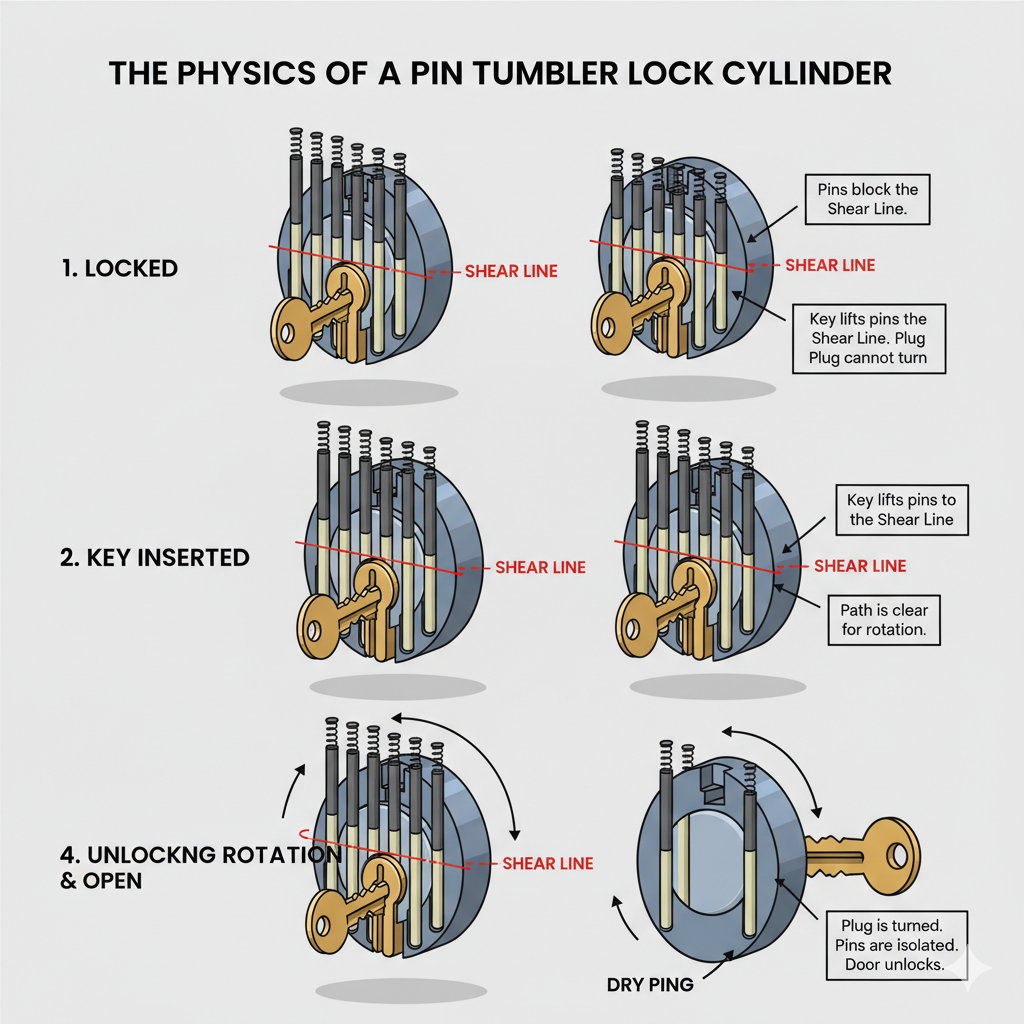
How technicians typically diagnose and fix a faulty door sensor.
The sequence is reproduce, inspect, test, and only then replace or reprogram parts if needed. If the problem is intermittent, the locksmith will wiggle the harness and operate the door through full cycles to find a break in continuity. When a sensor is replaced, the technician will retest the system and, if required, perform any needed reinitialization or relearn procedures.
Scenarios where a locksmith should hand the job to a dealer or specialist.
Modules and immobilizer systems often require manufacturer software and security credentials that locksmiths do not possess. Severe damage or signs of burning wiring indicate underlying hazards and need a controlled repair environment. A transparent handoff preserves safety and often saves money compared to repeated failed attempts in the field.
Maintenance and upgrades that pay off over time for door sensors.
Routing fragile wires inside spiral wrap or a flexible conduit at the hinge is inexpensive and greatly extends their life. Moisture accelerates connector failure, and simple corrosion prevention measures dramatically reduce electrical headaches. Upgraded parts are not always necessary, but for vehicles that show repeated issues, stronger connectors and better strain relief are worth the investment.
Field examples of emergency sensor fixes and what they teach.
I recall a midnight call where a flashing dash light turned out to be a stuck interior switch, not a module, and the fix was one minute of cleaning. The common thread in these stories is patience, a methodical approach, and the willingness to look for the simplest explanation first. Good technicians earn trust by showing their work and standing behind results, and that matters most in urgent repairs.
Your short action plan for emergency sensor problems.
Call a locally reviewed 24 hour locksmith, verify insurance, ask for a clear diagnostic fee, and request credentials on arrival. If you are unsure, wait for the professional rather than prying connectors apart and risking further damage. A fair dealer will be upfront about parts choice and warranty, and will not pressure you into untested module replacements.
A calm, evidence-based approach makes emergency locksmith visits efficient and keeps repair bills reasonable.