If you run a storefront, office, or warehouse in Orlando, you need a locksmith you can call without hesitation. This piece walks through real situations I have seen on midnight calls, on Monday mornings, and during stormy afternoons, and it explains practical choices for owners and managers. Keep this as a checklist for the next time a door or panic bar stops cooperating at an inconvenient hour.
Why business door lock emergencies are different from home lockouts
A retail or office door involves traffic patterns, liability considerations, and hardware that do not appear on a typical house call. I have seen technicians refuse jobs because the building used a proprietary system or the problem involved wiring and an electrician was needed. Always ask whether the proposed repair will satisfy your insurer and local fire code before authorizing work after hours.
How to brief a locksmith quickly so they show up ready.
Give concise details to the dispatcher and you shrink wait time and unnecessary trips. Start with the door type and location inside the building, the brand or visible markings on the lock, whether electrified hardware is involved, and whether people are trapped or in danger. If you can, photograph the hardware and text it to the company before they leave the shop, but only if doing so is safe and allowed by your building policies.
Immediate safety steps a manager should take on site
When a lock fails, calm triage matters more than panic fixes. If an alarm or panic bar is involved, cut power only if you understand the consequences, because many systems are fail-safe and losing power could lock things tighter. Assign one staff member to meet the locksmith and another to handle communications and customer questions so everyone knows who is in charge.
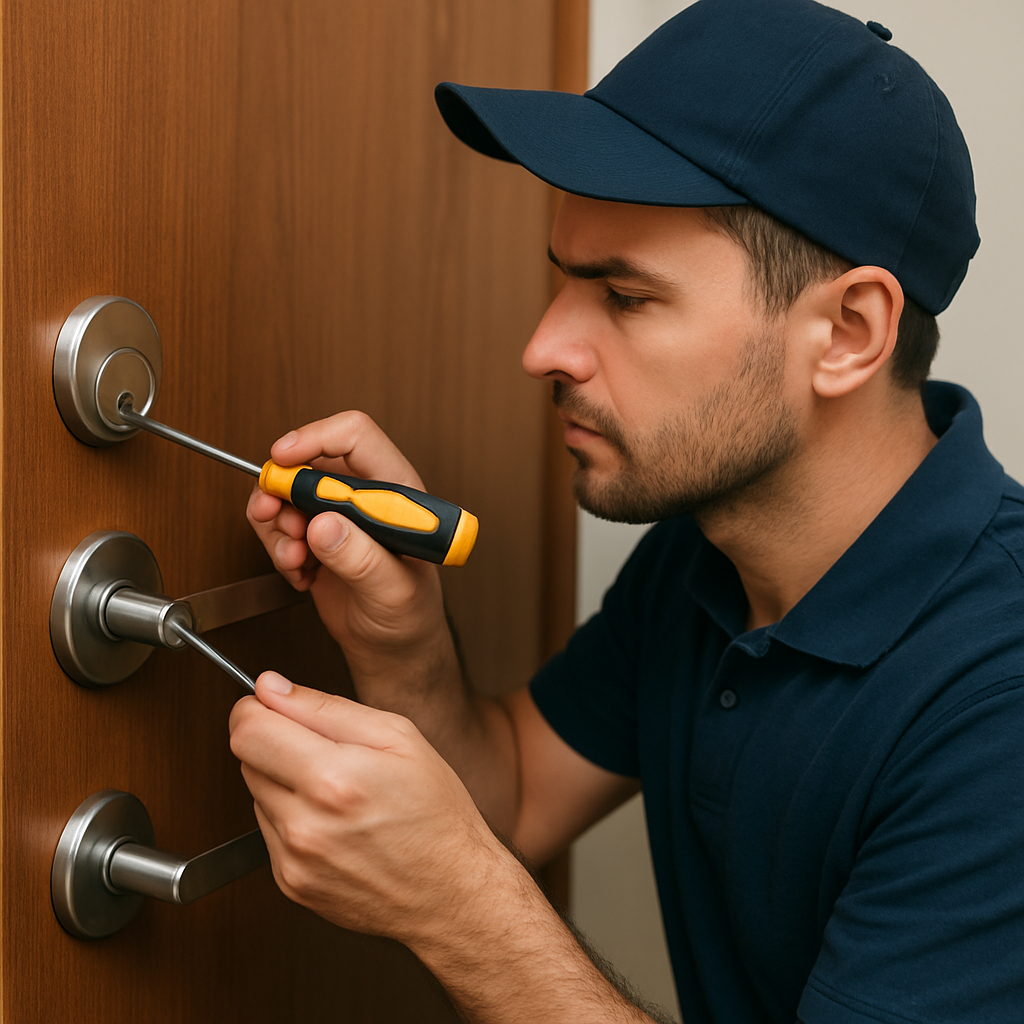
Common commercial lock problems and what they usually mean
Wear, vandalism, misalignment, electrical faults, and failed transmissions are the usual culprits in my experience. If multiple doors on the same circuit fail simultaneously, suspect the power supply, the relay panel, or recent electrical work rather than replacing each lock. Forcing a lock often causes more damage than benefit, so expect a paid diagnostic if the fix is nontrivial.
Choosing the right Orlando locksmith for commercial emergencies
Licensing, insurance, and visible experience with commercial hardware should be nonnegotiable criteria. Ask whether the company carries commercial parts for brands common in your area and whether they stock magnetic locks, high-security cylinders, and panic-bar components. Get a clear, written estimate when practical and make sure after-hours call-out fees are explained before work begins.
Balancing speed, cost, and safety after hours
Deciding between a temporary fix and a full replacement is a judgment call that weighs immediate safety, cost, and business disruption. For example, a shimmed strike or a temporary latch can reopen a door safely for staff, but you should schedule a full realignment or strike replacement as soon as possible. A reliable commercial locksmith will prioritize fixes that preserve evidence of tampering if there is any question of criminal activity.
Practical ways to avoid surprise invoices
Hourly rates might rise 25 to 100 percent at night or on holidays, and flat fees for emergency call-outs are common. Many companies will offer https://locksmithnetworkljej713.cavandoragh.org/rapid-response-24-hour-locksmith-for-commercial-lock-rekeying a reduced rate if you can wait until morning and the situation is not dangerous or compromising to security. A maintenance contract can also include annual inspections, which catch failing panic bars and misaligned strikes before they become an emergency.
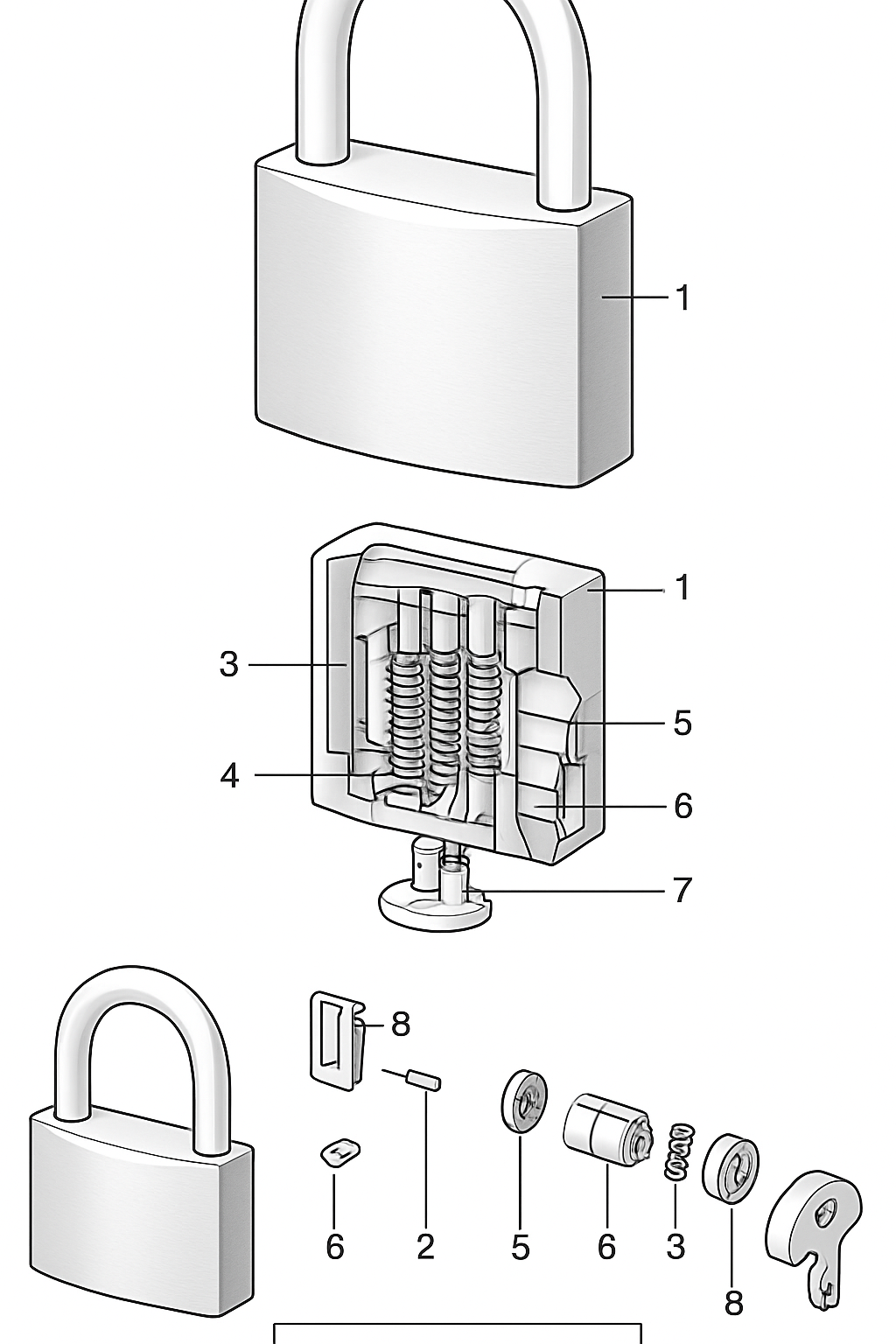
Small investments that prevent big lock failures
Lubrication, alignment checks, and keypad battery replacements are small costs that avoid costly after-hours trips. Rotate and test keys in high-traffic doors monthly and replace worn cylinders proactively rather than waiting for a jammed lock to happen at closing time. Upgrade to tamper-resistant strike plates and reinforce frames on exterior doors that face alleys or parking lots.
What to expect during the follow-up repair and documentation
Insist on an invoice that lists replaced parts with serial numbers if available and that notes what was temporary versus permanent. Replace keys or credentials that might have been exposed during a forced entry and update your master-key records if cylinders were replaced. A proper follow-up turns an emergency into a one-time cost rather than an ongoing vulnerability.
Reporting and evidence collection tips
If you find tamper marks, forced entry, or missing inventory, involve the police and document everything before repairs proceed. When filing a claim, attach the locksmith's invoice, the police report if applicable, and any surveillance footage that shows the incident. If a vendor refuses to provide serial numbers or documentation, treat that as a red flag and consider a second opinion.
Practical next steps to reduce downtime and strengthen security
Prepare now so that an emergency is a known procedure rather than a scramble. Remember that the cheapest overnight fix is not always cheapest in the long run if it fails a week later or creates compliance issues. When you call for help, give clear information, request documentation, and agree on follow-up timing so the emergency becomes an orderly repair rather than an ongoing problem.